


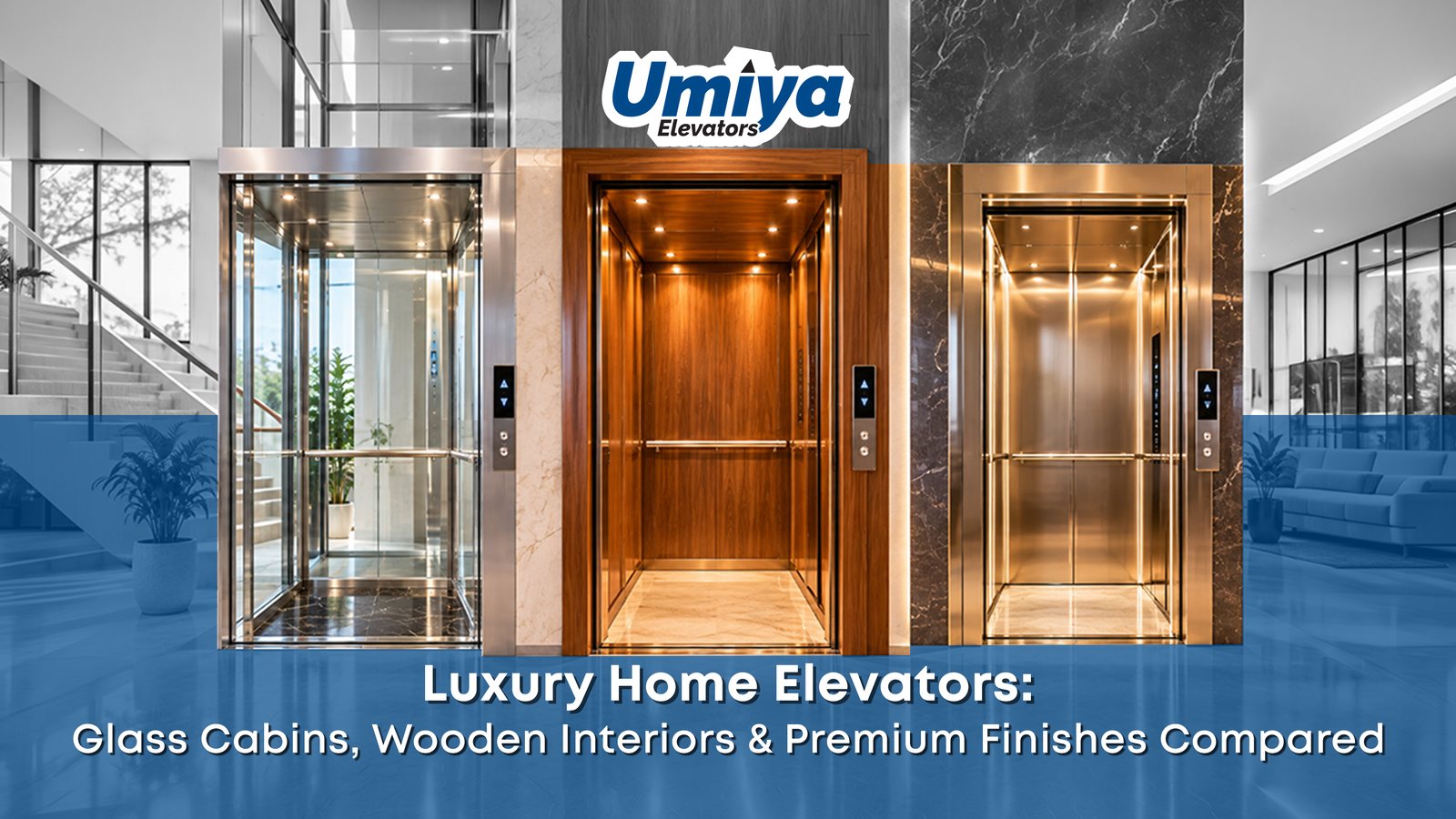
A home elevator can be much more than a practical way to move between floors. In modern villas, duplex homes, and premium residences, it can become an important part of the interior design.
From transparent glass cabins to warm wooden panels and elegant metallic finishes, luxury home elevators offer several customization possibilities. However, the best design is not necessarily the most expensive. It should complement the home’s architecture while remaining comfortable, durable, and easy to maintain.
This guide compares popular luxury elevator interiors to help homeowners choose the right combination of appearance and functionality.
1. What Makes a Home Elevator Feel Luxurious?
Luxury in residential elevators comes from thoughtful design rather than decorative materials alone.
A premium elevator should feel like a natural extension of the home’s interiors, with consistent materials, balanced lighting, smooth movement, and carefully selected details.
Important design elements include:
Cabin wall materials and textures
Door finishes and frame design
Ceiling lighting and decorative panels
Flooring and skirting details
Mirrors, handrails, and control panels
Overall cabin proportions
Homeowners exploring elevator cabin customization options can consider combinations of glass, stainless steel, laminates, lighting, and decorative finishes.
2. Glass Cabin Elevators: Modern and Visually Open
Glass home elevators are a popular design choice for contemporary villas and residences with open staircases, atriums, or double-height spaces.
Their transparent or partially transparent cabin panels create a sense of openness and allow the elevator to integrate with its surroundings.
Advantages of Glass Elevators
Modern appearance: Glass panels complement minimalist architecture, neutral interiors, and contemporary furniture.
Visual openness: Transparent surfaces can make a compact cabin feel less enclosed.
Architectural integration: Glass elevators can become an attractive feature within stairwells and open living spaces.
Flexible combinations: Glass can be paired with stainless steel frames, metallic accents, and decorative lighting.
Things to Consider
Glass surfaces show fingerprints, watermarks, and dust more easily than many opaque finishes.
They also require appropriate safety glazing, approved structural support, and careful installation.
Privacy can be another consideration, especially when the elevator passes through bedrooms or other private residential areas.
Best suited for: Modern villas, open-plan homes, and residences featuring contemporary architecture.
3. Wooden Elevator Interiors: Warm and Timeless
Wooden elevator interiors are particularly suitable for homes with warm colour palettes, traditional detailing, or premium furniture.
Wood-look laminates, veneers, and engineered decorative panels can introduce natural textures without making the cabin feel overly industrial.
Advantages of Wooden Interiors
Warm appearance: Wood finishes create a welcoming atmosphere compared with some metallic cabin designs.
Interior consistency: Wooden panels can complement doors, wardrobes, wall cladding, and existing furniture.
Design flexibility: Homeowners can choose light oak-inspired finishes, walnut tones, or darker textured panels.
Premium detailing: Wooden surfaces work well with warm LED lighting, mirrors, and brushed metal accents.
Things to Consider
Material selection is important because elevator cabins experience vibration, regular contact, and changing environmental conditions.
Certain finishes may be vulnerable to scratches, moisture, or surface damage.
Decorative panels must also comply with applicable elevator material and fire-safety requirements. Ordinary furniture-grade wood should not automatically be assumed suitable for elevator interiors.
Best suited for: Classic villas, traditional luxury homes, and residences with warm or natural interior themes.
4. Stainless Steel and Metallic Finishes: Elegant and Durable
Stainless steel remains a practical option for luxury lift cabin designs because it combines durability with a clean, contemporary appearance.
Modern stainless steel interiors are available in several decorative styles, including brushed, satin, mirror-polished, and coloured finishes.
Advantages of Metallic Interiors
Durable surfaces for regular household use
Clean appearance suitable for minimalist designs
Compatibility with mirrors and decorative lighting
Relatively straightforward routine cleaning
Flexible combinations with glass and laminate panels
Brushed stainless steel can be useful where homeowners prefer a subtle finish that does not highlight fingerprints as readily as mirror-polished surfaces.
Highly reflective finishes create a more dramatic appearance but generally require more frequent cleaning.
Best suited for: Contemporary homes, minimalist interiors, and households prioritising durability.
5. Which Premium Elevator Finish Is Best?
The right finish depends on the home’s interior style, maintenance expectations, and available budget.
Choose glass cabins when architectural visibility and a modern appearance are priorities.
Choose wooden interiors when the elevator needs to complement warm, traditional, or natural interior materials.
Choose stainless steel when durability, simpler cleaning, and a contemporary appearance matter most.
Homeowners can also combine materials. For example, a cabin featuring wood-look wall panels, stainless steel handrails, and a mirrored rear panel can balance warmth with functionality.
The final combination should be approved for the selected elevator system.
6. Lighting, Mirrors and Control Panels
Premium elevator finishes are only part of the overall design.
Lighting and accessories influence how spacious, comfortable, and visually balanced the cabin feels.
LED Ceiling Lighting
Recessed LEDs, indirect lighting, and illuminated ceiling panels can create a refined appearance without occupying additional cabin space.
Warm lighting often complements wooden interiors, while neutral lighting suits stainless steel and glass.
Mirrors and Handrails
Mirrors can make smaller cabins feel visually larger. However, their placement should not create confusing reflections or interfere with user comfort.
Handrails should remain easy to grip and positioned according to the cabin’s accessibility requirements.
Premium Control Panels
Soft-touch buttons, clear floor indicators, and carefully positioned controls can contribute to a more polished experience.
Accessibility and reliable operation should take priority over decorative complexity.
7. Does Cabin Customization Affect Elevator Performance?
Decorative materials contribute to the cabin’s overall weight.
Heavy stone flooring, thick glass panels, and additional metal cladding may affect the elevator’s design requirements.
Homeowners should never add substantial materials to an installed cabin without engineering approval.
Custom finishes must remain compatible with:
Rated load and cabin weight limits
Door operation and clearances
Ventilation and lighting arrangements
Applicable fire and safety requirements
Inspection and maintenance access
This is why interior customization should ideally be planned before installation rather than treated as a separate renovation.
For more information, read what makes an elevator installation process smooth.
8. Maintenance and Long-Term Appearance
Luxury home elevators require regular mechanical servicing, regardless of their decorative finish.
Glass surfaces need suitable cleaning products, wooden finishes require material-compatible care, and stainless steel should be cleaned without abrasive chemicals.
Homeowners should also inspect decorative panels for looseness, surface damage, or unusual vibration.
An elevator AMC contract can help establish routine servicing and technical inspections.
When choosing a supplier, also consider component availability, warranty coverage, and long-term technical support.
The article on why investing in a reputed passenger lift manufacturer pays off over time explains why serviceability deserves attention alongside the initial purchase.
9. How to Choose the Right Luxury Home Elevator Design
Before finalising an elevator interior, homeowners should review material samples and coordinate the design with their architect or interior designer.
Consider the home’s flooring, wall finishes, staircase materials, lighting temperature, and overall architectural style.
Ask the elevator supplier for cabin drawings, approved material options, weight limitations, and maintenance recommendations.
A well-planned design should look attractive today without creating unnecessary servicing or refurbishment difficulties later.
Conclusion
Glass cabins, wooden interiors, and premium metallic finishes each offer distinct advantages for residential elevator design.
Glass provides architectural openness, wooden finishes introduce warmth, and stainless steel offers durability with modern styling. Combining these materials thoughtfully can create a cabin that complements the home’s interiors without compromising practicality.
For homeowners planning customized luxury home elevators in Ahmedabad and Gujarat, Umiya Elevators offers elevator cabin customization options, installation services, and maintenance support for residential requirements.