


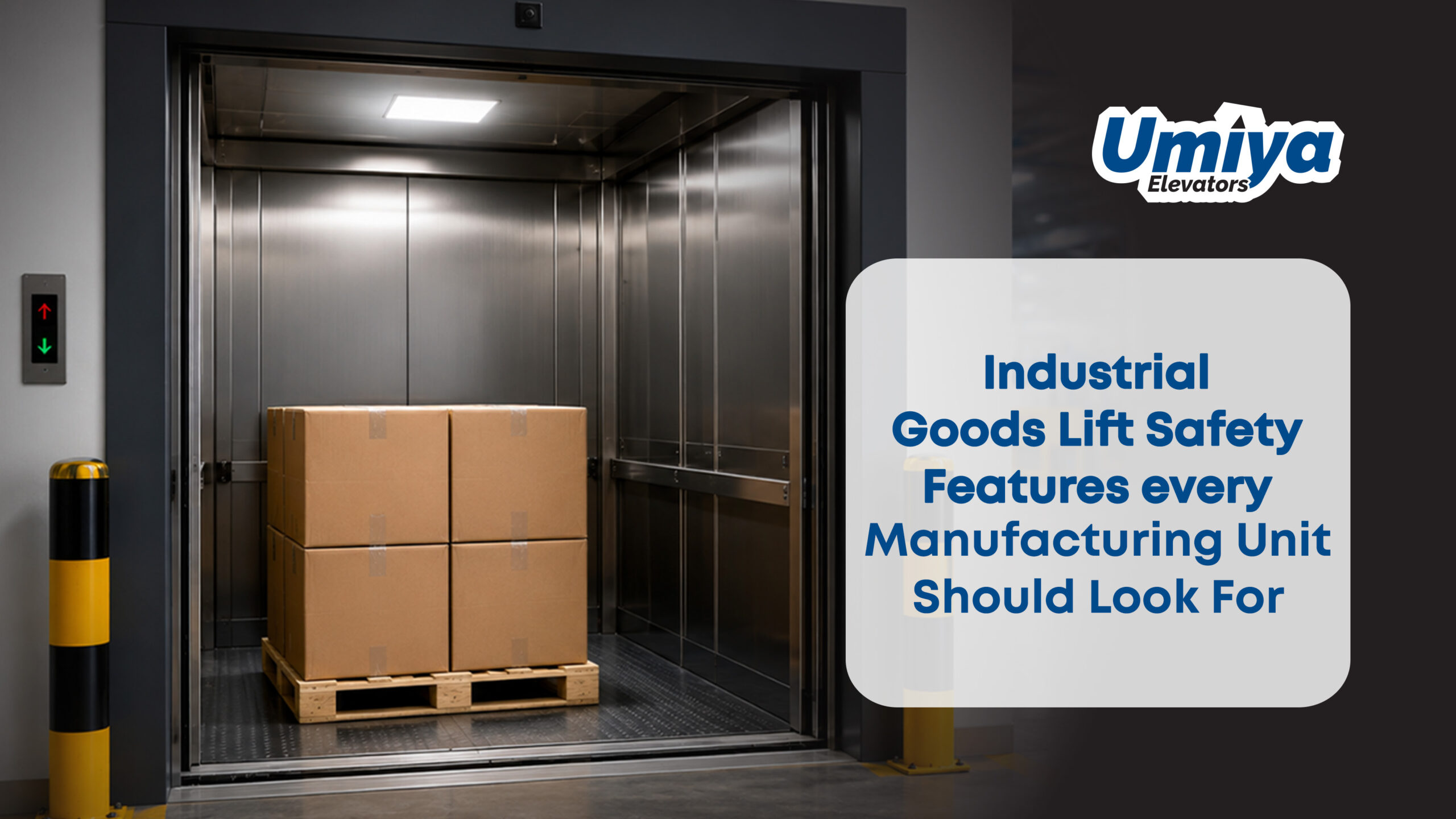
Moving heavy materials safely is a daily requirement in factories, warehouses, and manufacturing plants. Whether transporting raw materials, machinery components, finished products, or pallets, an industrial goods lift plays an important role in maintaining operational efficiency.
However, choosing a lift based only on load capacity or price can lead to safety risks and higher maintenance costs over time. The right industrial goods lift should include essential safety features that protect workers, prevent equipment damage, and ensure smooth day-to-day operations.
If you’re planning to install an industrial goods lift for your manufacturing unit, here are the safety features you should never overlook.
Why Are Safety Features Important in an Industrial Goods Lift?
Manufacturing environments are busy, fast-paced, and often involve transporting heavy or valuable materials throughout the day. A lift without proper safety mechanisms can increase the risk of accidents, production delays, and costly repairs.
Built-in safety features help manufacturers:
- Protect employees during lift operation
- Prevent damage to goods and machinery
- Reduce unexpected breakdowns
- Improve operational efficiency
- Extend the lifespan of the lift
- Maintain a safer workplace
Investing in a safe and reliable industrial goods lift is an investment in the long-term productivity of your business.
Which Safety Features Should Every Industrial Goods Lift Have?
While different manufacturing units have different operational needs, certain safety features should be considered standard.
- Overload Protection
Every industrial goods lift is designed to handle a specific maximum load. An overload protection system prevents the lift from operating if this limit is exceeded, reducing unnecessary stress on mechanical components and helping avoid unsafe operating conditions.
- Door Interlock System
A door interlock ensures the lift cannot move unless all doors are securely closed. Likewise, the doors remain locked while the lift is travelling, helping prevent accidental access and improving operator safety.
- Emergency Stop Button
An easily accessible emergency stop button allows operators to stop the lift immediately if they notice an unsafe condition, equipment malfunction, or obstruction during operation.
- Anti-Fall Protection
Anti-fall mechanisms are designed to prevent uncontrolled movement in the event of a mechanical issue. This feature provides an additional layer of protection for both workers and transported materials.
- Limit Switches
Limit switches ensure the lift stops accurately at each designated floor without travelling beyond its operating range. This improves loading accuracy while protecting the lifting mechanism.
- Non-Slip Platform
Industrial environments often involve dust, moisture, or oil. A non-slip platform provides better grip for workers, pallet trucks, and trolleys during loading and unloading, reducing the chances of slips and shifting loads.
- Alarm and Warning Systems
Audible alarms or warning indicators notify nearby workers when the lift is operating or if a fault is detected, creating a safer working environment in busy manufacturing facilities.
How Do These Safety Features Improve Daily Factory Operations?
The right safety features do more than prevent accidents. They also contribute to smoother and more efficient operations.
A well-designed industrial goods lift helps manufacturers:
- Reduce Downtime
Reliable safety systems minimize unexpected failures, allowing production and material movement to continue without unnecessary interruptions.
- Protect Valuable Materials
Smooth operation and secure lifting mechanisms reduce the chances of products or machinery being damaged during transportation.
- Improve Employee Confidence
Workers are more comfortable using equipment that includes proper safety systems, helping improve operational efficiency and workplace morale.
- Support Long-Term Performance
Safety features reduce wear on mechanical components, helping the lift perform consistently over many years with proper maintenance.
What Should Manufacturers Check Before Buying an Industrial Goods Lift?
Selecting the right lift involves more than comparing specifications. Before making a decision, manufacturers should evaluate whether the lift is suitable for both current and future operational requirements.
Consider the following:
- Is the lift capacity suitable for your heaviest loads?
- Are all essential safety features included?
- Is the lift designed for your type of material?
- Can the lift be customized for your factory layout?
- Does the supplier provide professional installation?
- Is after-sales service and technical support available?
- Is Lift AMC offered for regular maintenance?
Working with an experienced lift provider helps ensure the installation is planned according to your manufacturing workflow and building structure.
Why Is Regular Maintenance Just as Important as Safety Features?
Even the safest industrial goods lift requires routine maintenance to perform reliably. Safety devices, electrical systems, and mechanical components should be inspected regularly to ensure they continue functioning as intended.
Regular maintenance helps:
- Detect wear before it causes breakdowns
- Maintain safe operating conditions
- Improve lift reliability
- Reduce repair costs
- Extend equipment lifespan
Choosing a Lift AMC (Annual Maintenance Contract) ensures inspections and servicing are carried out at scheduled intervals, helping minimize unexpected downtime and keeping the lift operating safely.
An industrial goods lift is a valuable investment for any manufacturing unit, but its effectiveness depends on more than just lifting capacity. Safety features such as overload protection, door interlocks, emergency stop systems, anti-fall mechanisms, limit switches, and regular maintenance all contribute to safer and more reliable operations.
For factories and manufacturing units across Gujarat, selecting an industrial goods lift with the right safety features can improve workplace safety, protect valuable materials, and support long-term productivity. By choosing a reliable lift solution and maintaining it regularly, businesses can create a safer and more efficient environment for both employees and operations.