


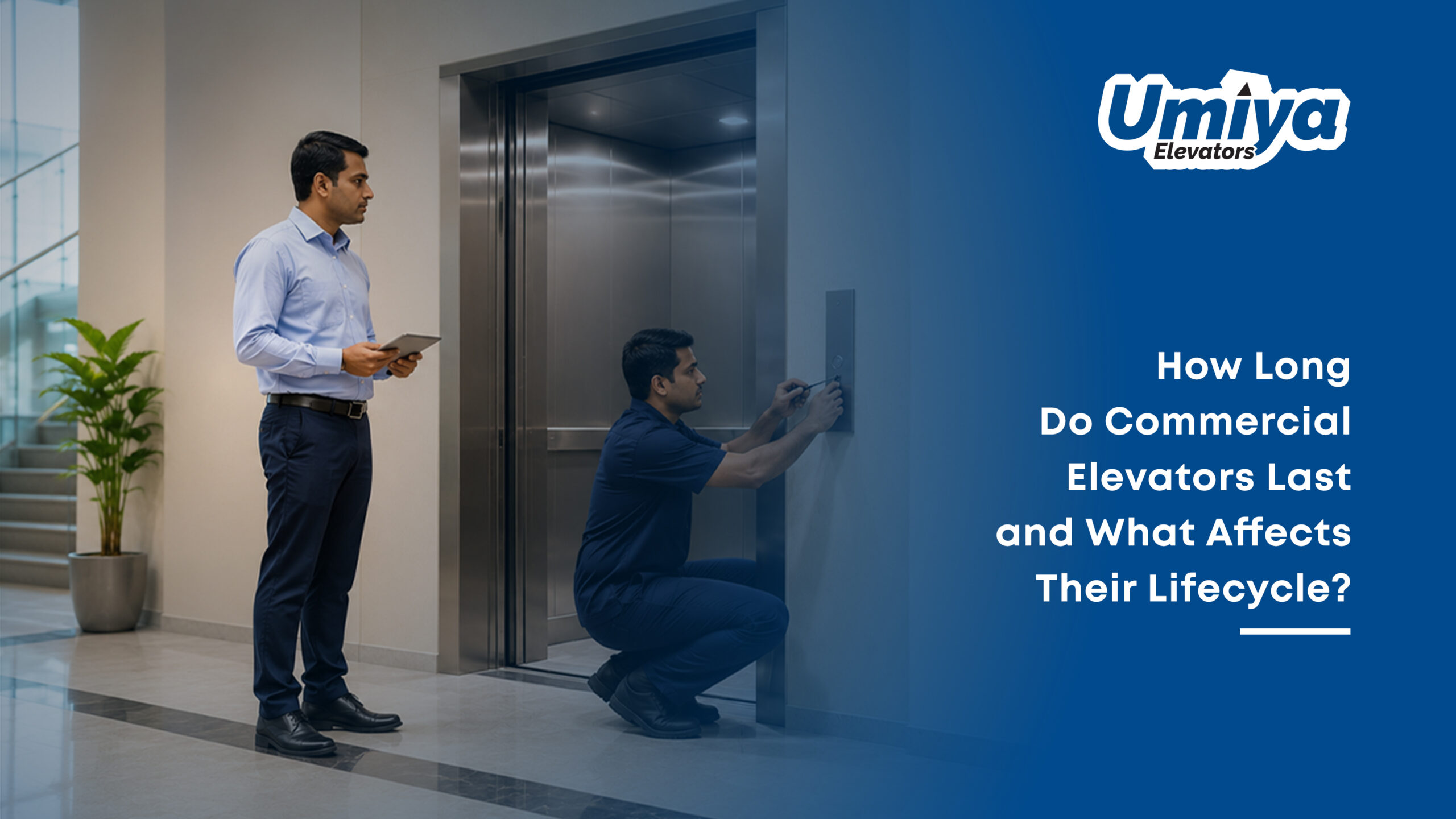
Commercial elevators are one of the most frequently used systems in offices, shopping centers, hospitals, hotels, and commercial buildings. They operate throughout the day, carrying people, goods, and equipment while keeping daily operations running smoothly.
A common question among property owners and facility managers is how long commercial elevators last and what factors influence their performance. While every installation is different, the lifespan of a commercial elevator depends less on its age and more on how it is used, maintained, and installed.
Understanding these factors helps businesses maximize the value of their investment while ensuring reliable and safe operation for years to come.
How Long Can Commercial Elevators Last?
A well-designed and properly maintained commercial elevator can provide reliable service for 20 to 30 years or even longer. However, its actual lifespan depends on several operational and environmental factors.
Some buildings experience heavy passenger traffic from morning to evening, while others use their elevators only occasionally. Similarly, elevators installed with quality components and maintained regularly tend to perform more consistently than those that receive minimal servicing.
Rather than focusing only on age, businesses should pay attention to how the elevator performs over time. Regular inspections and preventive maintenance often have a greater impact on longevity than the number of years since installation.
What Factors Affect the Performance of Commercial Elevators?
Several factors determine how efficiently commercial elevators perform throughout their service life.
Daily Usage
The number of trips an elevator makes each day has a direct impact on component wear. Elevators in shopping malls, hospitals, and office towers generally experience higher usage than those in smaller commercial buildings.
Higher traffic does not necessarily shorten the elevator’s lifespan, provided it is designed for the expected usage and maintained regularly.
Installation Quality
Even the best commercial elevator can develop problems if it is not installed correctly. Proper alignment, accurate calibration, and professional commissioning ensure that all mechanical and electrical systems function as intended from the start.
Working with an experienced elevator company helps minimize installation-related issues that could affect long-term performance.
Load Capacity
Every elevator is designed to carry a specific maximum load. Frequently exceeding this capacity places additional stress on motors, cables, doors, and other components.
Businesses should ensure that elevators are used according to their rated capacity and consider installing goods elevator lifts separately if heavy materials need to be transported regularly.
Environmental Conditions
Commercial buildings located in areas with high dust levels, humidity, or fluctuating temperatures may require more frequent inspections. These environmental factors can gradually affect electrical systems, moving components, and overall performance if not addressed through regular maintenance.
What Are the Signs That a Commercial Elevator Needs Attention?
Like any mechanical system, commercial elevators usually show warning signs before a major problem develops. Identifying these signs early can prevent costly repairs and reduce downtime.
Common indicators include:
- Longer waiting times than usual
- Unusual noises during operation
- Jerky or uneven movement
- Doors opening or closing slowly
- Frequent service interruptions
- Error messages or unexpected stoppages
Ignoring these issues may lead to more extensive repairs and affect the overall reliability of the elevator.
How Can Businesses Improve the Lifespan of Commercial Elevators?
Proper maintenance is one of the most effective ways to keep commercial elevators operating efficiently over the long term.
Here are some practical ways to improve performance:
Schedule Regular Maintenance
Routine inspections allow technicians to identify worn components before they fail. Preventive maintenance also helps maintain safety standards and minimize unexpected breakdowns.
Avoid Overloading
Following the recommended load capacity reduces unnecessary strain on mechanical systems and improves long-term reliability.
Keep the Elevator Clean
Dust and debris can affect door mechanisms, sensors, and moving parts. Regular cleaning supports smoother operation and reduces unnecessary wear.
Address Minor Problems Early
Small issues such as unusual sounds or slower door movement should be inspected promptly. Early repairs are often simpler and more cost-effective than waiting for a major failure.
Invest in Lift AMC
A Lift AMC (Annual Maintenance Contract) ensures that servicing, inspections, and preventive maintenance are carried out at scheduled intervals. This helps businesses maintain consistent performance while reducing the risk of unexpected downtime.
Should Every Commercial Building Have Separate Passenger and Goods Elevators?
Many commercial buildings benefit from having dedicated elevators for different purposes.
Passenger lifts are designed to transport people comfortably and efficiently. In contrast, goods elevator lifts are built to handle heavy materials, equipment, and supplies.
Using passenger lifts to transport heavy goods regularly can increase wear on interiors and mechanical components. Separating passenger and goods movement helps improve operational efficiency while extending the service life of both systems.
For buildings such as hospitals, hotels, shopping centres, warehouses, and manufacturing facilities, planning separate lift systems often results in better long-term performance.
The lifespan of commercial elevators depends on far more than their age. Daily usage, installation quality, load management, environmental conditions, and regular maintenance all play an important role in determining how efficiently an elevator performs over time.
For commercial property owners in Gujarat, investing in quality commercial elevators and maintaining them through regular servicing can significantly improve reliability, safety, and operational efficiency. Whether your building requires passenger lifts, goods elevator lifts, or both, choosing the right system and maintaining it properly will help maximise performance for many years to come.