


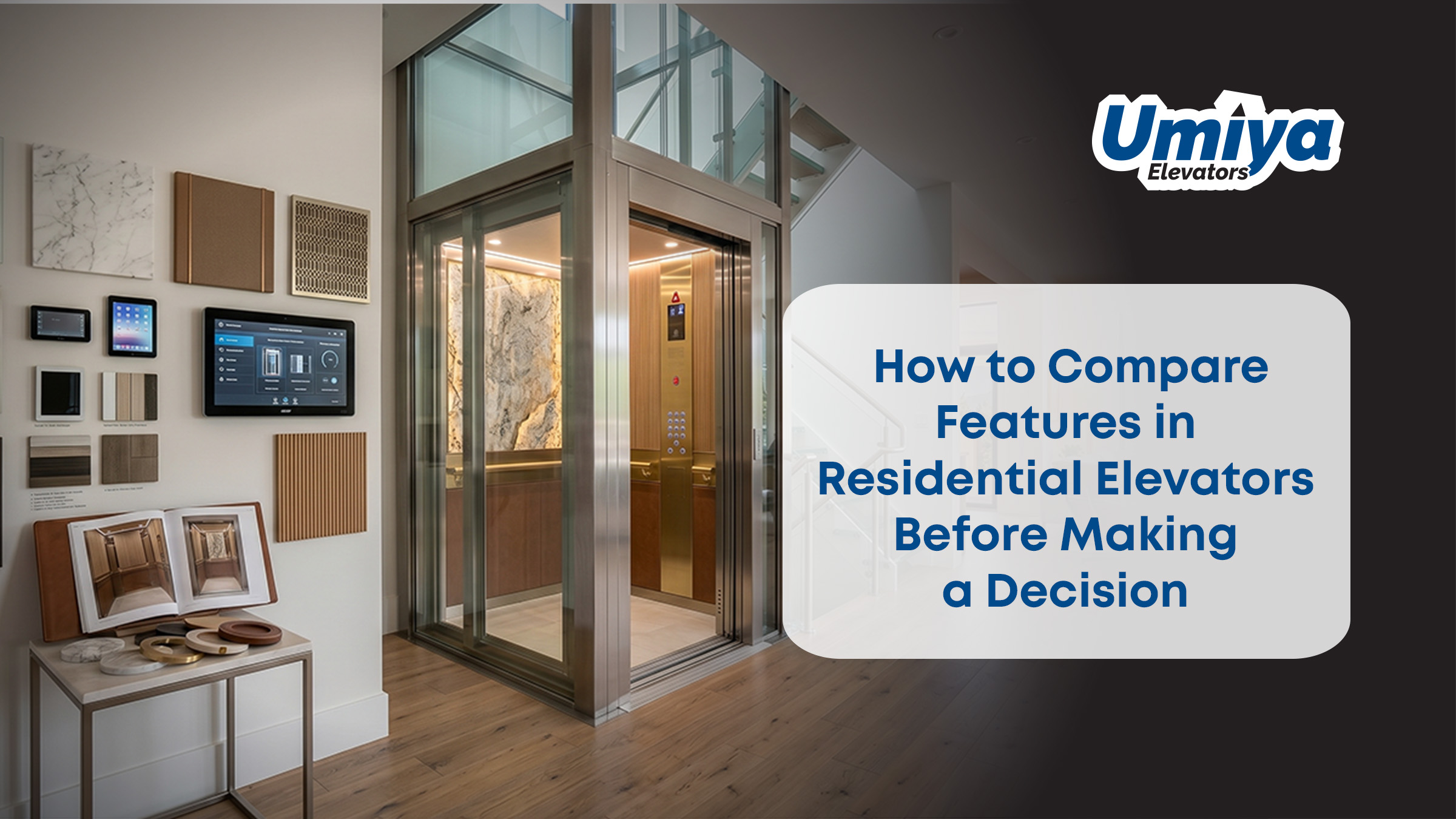
Installing a home elevator lift is a long-term investment that improves accessibility, convenience, and overall functionality. However, many homeowners focus only on the elevator itself and overlook important planning decisions that can affect the installation process.
Poor planning often leads to avoidable delays, additional modifications, and unexpected expenses. Whether you’re building a new bungalow or upgrading an existing home, understanding these common mistakes can help ensure a smoother residential elevator installation experience.
Why is planning important before residential elevator installation?
Proper planning helps homeowners:
- Optimize available space
- Reduce structural changes
- Avoid project delays
- Improve installation efficiency
- Ensure long-term usability
The earlier elevator requirements are considered, the easier it becomes to integrate the system into the home’s overall design.
Mistake 1: Waiting Until Construction Is Almost Complete
One of the most common mistakes homeowners make is treating the elevator as an afterthought.
When a home elevator lift is planned late in the construction process, it can lead to:
- Structural modifications
- Layout adjustments
- Additional civil work
- Delayed project timelines
Planning elevator requirements during the design stage usually provides more flexibility and fewer complications.
Mistake 2: Choosing an Elevator Before Evaluating Available Space
Many homeowners select a lift model before understanding their home’s installation limitations.
Before selecting a system, consider:
- Available shaft space
- Floor layout
- Accessibility requirements
- Entry and exit locations
A professional site assessment helps determine which residential elevator installation solution is most suitable for the property.
Mistake 3: Underestimating Future Accessibility Needs
Some homeowners choose elevators based only on their current requirements.
However, future considerations are equally important.
Questions to ask include:
- Will elderly family members use the elevator?
- Will accessibility requirements change over time?
- Is the cabin size suitable for long-term use?
A properly planned home elevator lift should support future household needs as well as current ones.
Mistake 4: Prioritizing Appearance Over Functionality
Design is important, but functionality should remain the priority.
Choosing an elevator solely because it looks attractive may result in:
- Limited cabin space
- Reduced practicality
- Lower long-term usability
The ideal solution balances both aesthetics and performance.
For bungalow homes, the elevator should complement the design while remaining practical for everyday use.
Mistake 5: Ignoring Maintenance Access Requirements
Maintenance is often overlooked during planning.
Every elevator requires routine servicing, inspections, and occasional repairs.
Insufficient maintenance access can:
- Increase servicing complexity
- Extend maintenance time
- Affect long-term reliability
When planning residential elevator installation, homeowners should ensure adequate access for future servicing requirements.
Mistake 6: Selecting the Wrong Elevator Type
Different homes require different elevator solutions.
Common options include:
Machine room-less elevators
Suitable for homes where space efficiency is important.
Hydraulic elevators
Often selected for low-rise residential properties.
Compact residential lifts
Ideal for homes with limited installation space.
Choosing the wrong type can lead to installation challenges and unnecessary modifications.
Mistake 7: Not Considering Electrical Requirements Early
Elevator systems require proper electrical planning.
Delaying electrical preparation may result in:
- Additional wiring work
- Project delays
- Coordination issues during installation
Including elevator requirements in the home’s electrical planning stage helps streamline the process.
Mistake 8: Choosing a Supplier Based Only on Price
Cost is important, but it should not be the only deciding factor.
Homeowners should also evaluate:
- Installation experience
- Product quality
- Service support
- Maintenance availability
- Project guidance
A reliable provider often helps prevent issues that can lead to delays later.
How can homeowners reduce installation delays?
The best way to minimize delays is through early planning.
Key steps include:
- Conducting a site assessment
- Finalizing elevator requirements early
- Coordinating with architects and contractors
- Evaluating future accessibility needs
- Selecting the right installation location
A structured approach helps keep the project on schedule.
Does proper planning reduce long-term costs?
Yes.
Effective planning can help reduce:
- Structural modifications
- Installation complications
- Maintenance challenges
- Future upgrade requirements
A well-planned home elevator lift typically delivers better long-term value than a rushed installation.
Most elevator installation challenges are not caused by the equipment itself but by decisions made during the planning stage. Waiting too long, overlooking space requirements, and ignoring future accessibility needs are some of the most common mistakes homeowners make.
For bungalow and villa owners across Gujarat, careful planning before residential elevator installation helps reduce delays, avoid unnecessary costs, and improve long-term usability. By approaching the project with a clear understanding of requirements, homeowners can ensure their home elevator lift becomes a reliable and valuable part of the property for years to come.