


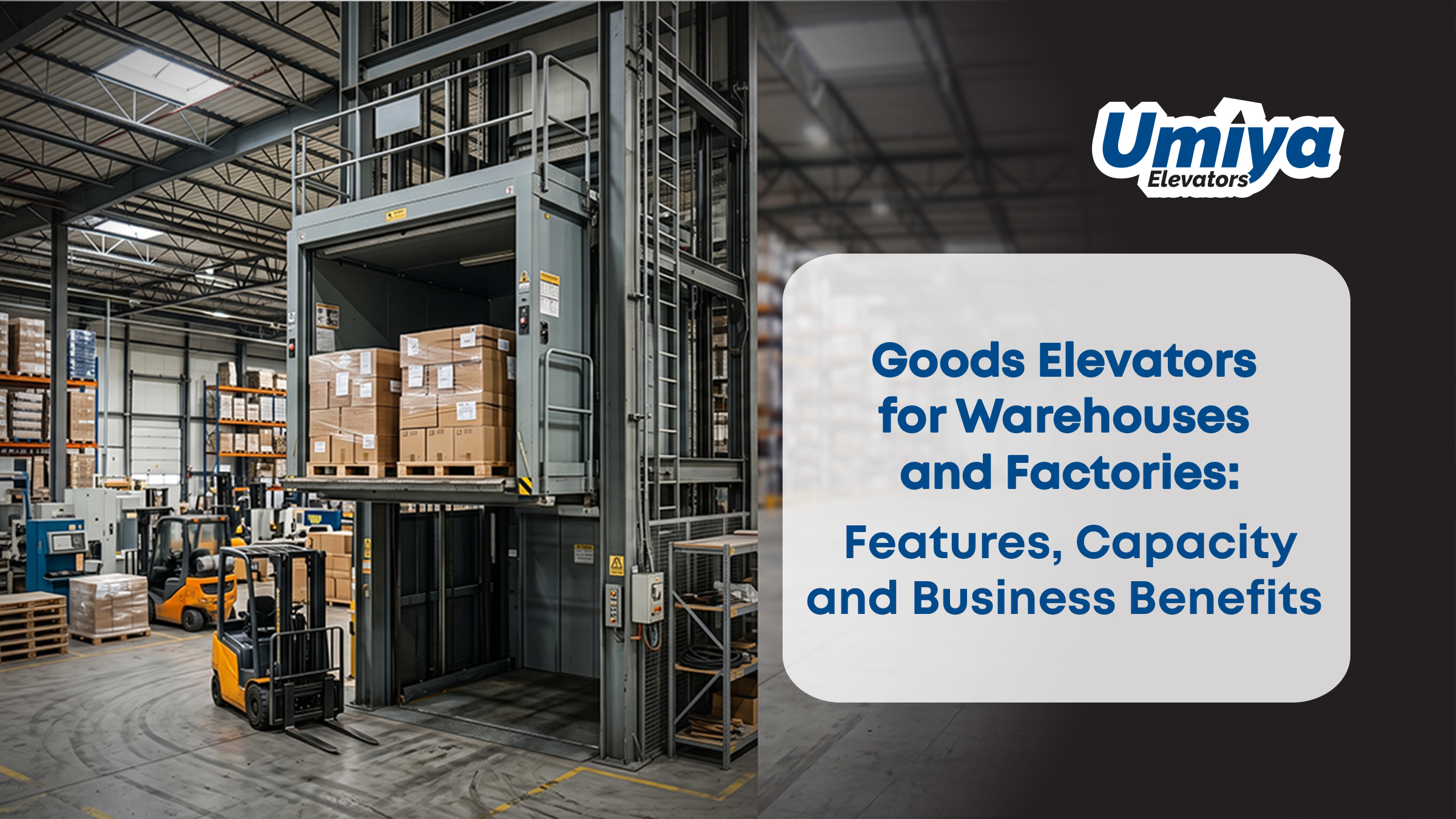
Handling materials efficiently is essential for warehouses, factories, and industrial buildings. As businesses expand vertically, manual transportation between floors becomes time-consuming and less practical. This is why many industries now rely on goods elevators for smoother and safer operations.
From manufacturing units to storage facilities in Gujarat, goods lifts help businesses improve workflow, reduce manual effort, and manage heavy loads more effectively.
What are goods elevators?
Goods elevators are lift systems designed specifically for transporting materials, equipment, and heavy items between floors. Unlike passenger lifts, these elevators focus on durability, load capacity, and operational efficiency.
They are commonly installed in:
- Warehouses
- Factories
- Industrial buildings
- Distribution centers
- Large retail storage spaces
Businesses often choose commercial elevator installation solutions that match their operational requirements and building layout.
Why are goods lifts important for warehouses?
Warehouses deal with constant inventory movement throughout the day. Moving materials manually not only slows operations but also increases labor dependency.
Goods elevators help warehouses by:
- Reducing material handling time
- Improving movement between storage levels
- Minimizing physical strain on workers
- Supporting organized inventory flow
In industrial areas around Ahmedabad and other parts of Gujarat, businesses are increasingly upgrading facilities with efficient goods lifts for better operational control.
What features should businesses look for in goods elevators?
Choosing the right system depends on the type of materials being transported and usage frequency.
Important features include:
High load capacity
The elevator should support the weight requirements of the business without operational stress.
Strong cabin structure
Industrial environments require durable construction for long-term usage.
Smooth loading and unloading
Wide doors and proper platform design improve workflow efficiency.
Safety systems
Emergency stop systems, overload protection, and secure door mechanisms are essential.
An experienced commercial lift supplier Ahmedabad businesses trust can help identify the right specifications based on industry requirements.
What capacity is suitable for industrial goods lifts?
Capacity requirements vary depending on the business.
Typical factors include:
- Weight of materials
- Frequency of movement
- Size of equipment or inventory
- Number of operational floors
For example:
- Small warehouses may need moderate-capacity systems
- Manufacturing units handling machinery may require heavy-duty goods elevators
Selecting the correct capacity ensures smoother operations and reduces wear on the system.
How do goods elevators improve business efficiency?
Efficiency is one of the biggest reasons businesses invest in commercial elevator installation.
Key operational benefits include:
Faster movement of goods
Materials can be transferred between floors quickly without delays.
Reduced manual labor
Employees spend less time handling heavy items manually.
Better workplace safety
Minimizes lifting-related risks and accidents.
Improved workflow management
Departments across multiple floors can operate more efficiently.
For industries with continuous movement of stock and equipment, goods elevators become an important part of daily operations.
Are goods elevators suitable for existing industrial buildings?
Yes, goods elevators can be installed in both new and existing buildings.
Installation options include:
- Internal shaft-based systems
- External elevator structures
- Customized industrial lift solutions
A professional commercial elevator installation assessment helps determine the best setup based on available space and operational needs.
How much space is required for goods elevators?
Space requirements depend on:
- Load capacity
- Platform size
- Building structure
- Type of materials being transported
Industrial buildings usually allocate dedicated service areas for goods elevators during planning stages. However, compact solutions are also available for existing facilities with limited space.
What maintenance do goods elevators require?
Since goods elevators operate under heavy usage, regular servicing is important.
Routine maintenance typically includes:
- Mechanical inspections
- Load system checks
- Safety feature testing
- Lubrication and component servicing
Many businesses work with a commercial lift supplier Ahmedabad companies rely on for ongoing maintenance support and servicing.
What industries commonly use goods elevators?
Goods elevators are widely used across multiple industries, including:
- Manufacturing
- Warehousing and logistics
- Textile industries
- Automobile workshops
- Retail storage operations
As commercial and industrial infrastructure grows in Gujarat, demand for efficient goods movement systems continues to increase.
Conclusion
Goods elevators play an important role in improving efficiency, safety, and material handling across warehouses and factories. For businesses managing heavy inventory or multi-floor operations, these systems help streamline workflow and reduce operational delays.
Whether planning a new facility or upgrading an existing one, choosing the right commercial elevator installation solution ensures better long-term performance. Working with an experienced commercial lift supplier Ahmedabad businesses can depend on also helps ensure the system is properly designed for industrial requirements.
With the right planning and capacity selection, goods elevators become a reliable operational asset for modern industrial environments.